The Google Play Developer Console is your gateway to the vibrant world of app publishing, offering developers a robust platform to bring their creations to life. With an array of powerful features, this tool simplifies the app submission process, allows for effective performance analysis, and supports monetization strategies that can transform your app into a thriving business. Whether you’re a startup or an established developer, the console is essential for navigating the evolving landscape of mobile applications.
From setting up your developer account to managing app releases and analyzing user feedback, the Google Play Developer Console equips you with everything you need to ensure your app’s success in the competitive Google Play Store. Its history of continual improvement reflects a commitment to providing developers with the best tools available, making it indispensable in today’s app economy.
Overview of Google Play Developer Console
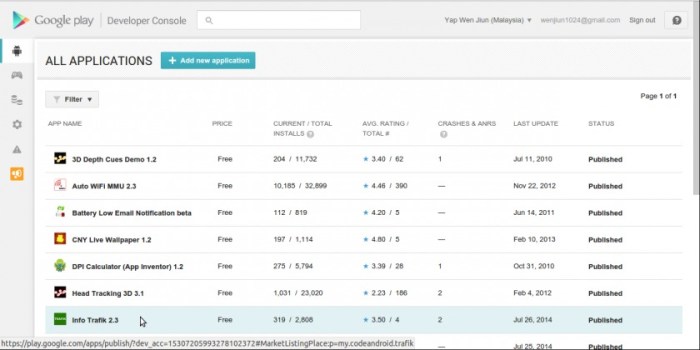
The Google Play Developer Console is an essential platform for developers aiming to publish and manage their Android applications on the Google Play Store. Its significance lies in the comprehensive tools and features it provides, streamlining the app development lifecycle from initial submission to ongoing performance analysis.
Initially launched in 2012, the console has evolved significantly over the years, adapting to the needs of developers and the demands of the market. It now encompasses a myriad of functionalities, including app publishing, performance tracking, and user engagement analytics, enhancing developers’ ability to reach their audience effectively.
Main Features and Functionalities
The Google Play Developer Console offers several key features that facilitate a seamless app publishing experience:
- App Submission: A straightforward process to upload APKs and manage app listings.
- Performance Metrics: Tools to analyze downloads, user retention, and engagement levels.
- Monetization Options: Various strategies for generating revenue, including in-app purchases and ads.
- User Feedback Management: Capabilities for responding to reviews and gaining insights from user feedback.
- Compliance Checks: Automated processes to ensure adherence to Google Play policies.
Setting Up an Account
Creating a developer account on the Google Play Developer Console is the first step towards app publication. The process is straightforward, involving a few essential steps that ensure your identity as a developer is verified.
Steps to Create a Developer Account
To set up your account, follow these steps:
- Visit the Google Play Developer Console website.
- Sign in with your Google account or create a new one.
- Complete the registration form, providing necessary information such as your name and contact details.
- Pay the one-time registration fee, which is currently $25.
- Accept the Developer Distribution Agreement.
Account Costs and Maintenance
Maintaining a developer account involves minimal ongoing costs. After the initial registration fee, there are no annual fees or costs associated with keeping your account active. However, additional expenses may arise from publishing paid apps or using premium services.
Tips for Verifying Your Developer Account
To ensure a successful verification of your developer account:
- Use a valid credit card for payment to avoid any issues.
- Provide accurate personal information to facilitate the verification process.
- Monitor your email for any communications from Google regarding your account status.
App Submission Process
Submitting a new app to the Google Play Store requires adherence to specific procedures and guidelines. Successful submission is critical for ensuring your app reaches users effectively.
Procedure for Submitting a New App
The app submission process includes several key steps:
- Prepare your app for release, including testing and optimizing performance.
- Log into your Google Play Developer Console.
- Create a new application entry and fill in the required details.
- Upload your APK or app bundle files.
- Complete the store listing, including descriptions, screenshots, and categorization.
- Submit your app for review by Google.
Required Information and Assets
For successful submission, developers must provide:
- Application name and description
- High-quality images and promotional graphics
- Privacy policy and terms of service links
- Target audience specifications
Common Errors to Avoid
When submitting an app, avoid these common pitfalls:
- Neglecting to test your app thoroughly before submission.
- Failing to comply with content guidelines and policies.
- Ignoring the required assets for app listing.
Managing App Releases
Efficient management of app releases is crucial for maintaining user satisfaction and app performance. The console provides tools to manage different versions of your app seamlessly.
Managing Different Versions
To effectively manage app versions:
- Utilize the “Production”, “Beta”, and “Alpha” tracks for different testing phases.
- Roll out updates gradually to monitor user feedback and performance.
- Keep clear version control to avoid confusion among users.
Rolling Out Updates and Beta Testing
Rolling out updates involves:
- Preparing your update and ensuring all features are functional.
- Using the console to publish the update to selected testing tracks first.
- Collecting user feedback before a wider rollout.
Importance of Version Control
Version control is essential for:
- Tracking changes and improvements to your app over time.
- Providing users with clear release notes that Artikel new features or bug fixes.
Analyzing App Performance
The Google Play Developer Console includes robust tools for tracking app performance metrics, which are vital for understanding user engagement.
Tools for Tracking Performance Metrics
Within the console, developers can access:
- Statistics on downloads and uninstalls.
- User ratings and reviews for qualitative insights.
- Crash reports and performance data to identify issues.
Evaluating User Engagement and Retention
To evaluate user engagement:
- Analyze session duration and frequency of app usage.
- Use cohort analysis to understand user retention over time.
Utilizing Performance Data
Developers should leverage insights gained from performance data to:
- Make informed decisions about feature updates and enhancements.
- Identify and rectify issues that may hinder user experience.
Monetization Options
The Google Play Store offers various monetization strategies for developers to generate revenue from their apps.
Monetization Strategies Available
Developers can choose from several revenue options:
- In-app purchases for consumable and non-consumable items.
- Ad placements through Google AdMob or other ad networks.
- Subscription models, providing users with ongoing services or content.
Comparing Revenue Options
Each monetization method has its pros and cons:
| Method | Pros | Cons |
|---|---|---|
| In-app Purchases | Potential for high revenue | May frustrate users if overused |
| Ads | Low barrier to entry | Can disrupt user experience |
| Subscriptions | Steady revenue stream | Requires ongoing value to keep users |
Best Practices for Optimizing Monetization
To maximize revenue while maintaining a positive user experience:
- Ensure that in-app purchases enhance the experience rather than hinder it.
- Avoid excessive ad frequency that could deter users.
- Provide real value in subscription features to retain subscribers.
User Reviews and Feedback Management
Managing user reviews is critical for app improvement and building a positive reputation.
Accessing and Responding to User Reviews
The console allows developers to:
- Read and analyze user feedback posted on the app’s page.
- Respond to reviews directly, showing attentiveness to user concerns.
Importance of Managing User Feedback
Effective management of user feedback is essential for:
- Identifying areas of improvement and user pain points.
- Enhancing overall user satisfaction and retention.
Encouraging Positive Reviews
To foster positive reviews, developers can:
- Prompt satisfied users to leave feedback after positive interactions.
- Incentivize users with rewards for submitting reviews.
Compliance and Policies
Adhering to Google Play’s policies is vital for maintaining a developer account and ensuring a smooth publishing process.
Key Policies for Developers
Developers must adhere to several key policies:
- Content guidelines that dictate acceptable app content.
- Advertising policies that govern ad placement and content.
- Privacy policies that ensure user data protection and compliance.
Ensuring Compliance with Guidelines
To ensure compliance:
- Regularly review Google Play’s policy updates and changes.
- Conduct audits of your app to ensure all components meet the guidelines.
Staying Updated on Policy Changes
To remain informed about policy changes:
- Subscribe to the Google Play Developer newsletter for updates.
- Participate in developer forums for discussions on recent changes.
Marketing and Promotion through the Console
The Google Play Developer Console offers various tools to assist with app marketing and promotion.
Leveraging the Console for Marketing
Developers can utilize the console to:
- Create effective store listings that attract users.
- Engage in promotional campaigns directly through the platform.
Promotional Tools Available
The platform provides several promotional tools:
- Google Play Instant for users to try apps without installation.
- Promotional graphics to enhance visibility in the store.
Using Analytics for Marketing Decisions
To inform marketing strategies:
- Analyze user demographics and engagement metrics to tailor promotions.
- Track conversion rates to understand what marketing tactics are effective.
Troubleshooting Common Issues
Developers may encounter various issues while navigating the Google Play Developer Console. Identifying and resolving these problems quickly is essential for maintaining account health.
Frequent Issues and Their Solutions
Some common issues include:
- Account verification problems, often resolved by rechecking payment details.
- Submission errors, typically due to missing required information.
Resolving Account or Submission Issues
For troubleshooting:
- Review error messages provided by the console for guidance.
- Consult the help documentation available within the console.
- Contact Google Play support if issues persist.
Resources for Additional Help
Developers can seek further assistance through:
- The Google Play Developer Help Center, which offers comprehensive documentation.
- Community forums where developers share solutions and experiences.
Last Word
In conclusion, mastering the Google Play Developer Console is not just about understanding its functionalities; it’s about leveraging its full potential to enhance your app’s visibility and performance. By utilizing the guidance and tools offered, you can navigate challenges, engage users, and maximize your app’s monetization opportunities. Embrace the power of the Google Play Developer Console and watch your app thrive in the digital marketplace.
Popular Questions
How do I create a Google Play Developer account?
To create a Google Play Developer account, visit the Google Play Console, click on “Sign Up,” and follow the prompts to complete the registration.
Are there any fees associated with the Google Play Developer account?
Yes, there is a one-time registration fee of $25 to create a Google Play Developer account.
What information do I need to submit an app?
You need app details such as the title, description, screenshots, app category, and a privacy policy URL.
How can I respond to user reviews?
You can respond to user reviews directly through the Google Play Console under the “User Reviews” section.
What are some common reasons for app rejection?
Common reasons include violation of Google Play policies, lack of required information, or technical issues with the app.